
A heat pump should usually be serviced at least once a year. If your heat pump is used for both heating and cooling, it may benefit from service twice a year: once before the cooling season and once before the heating season.
That is the quick answer.
Heat pumps work harder than many single-season systems because they can heat your home in winter and cool it in summer. That year-round use means filters, coils, electrical parts, refrigerant lines, fans, and outdoor components all need regular attention.
For New Hampshire homeowners, regular heat pump service is especially important because the system may have to handle humid summers, cold winters, snow, ice, and heavy seasonal demand. Mountain Plumbing provides heat pump services for homeowners who need reliable heating and cooling support.
Quick Answer: How Often Should Heat Pumps Be Serviced?
Most homeowners should plan for heat pump service at least once per year. If the system runs year-round, a twice-a-year schedule is often better.
Why Do Heat Pumps Require a High Amount of Servicing?
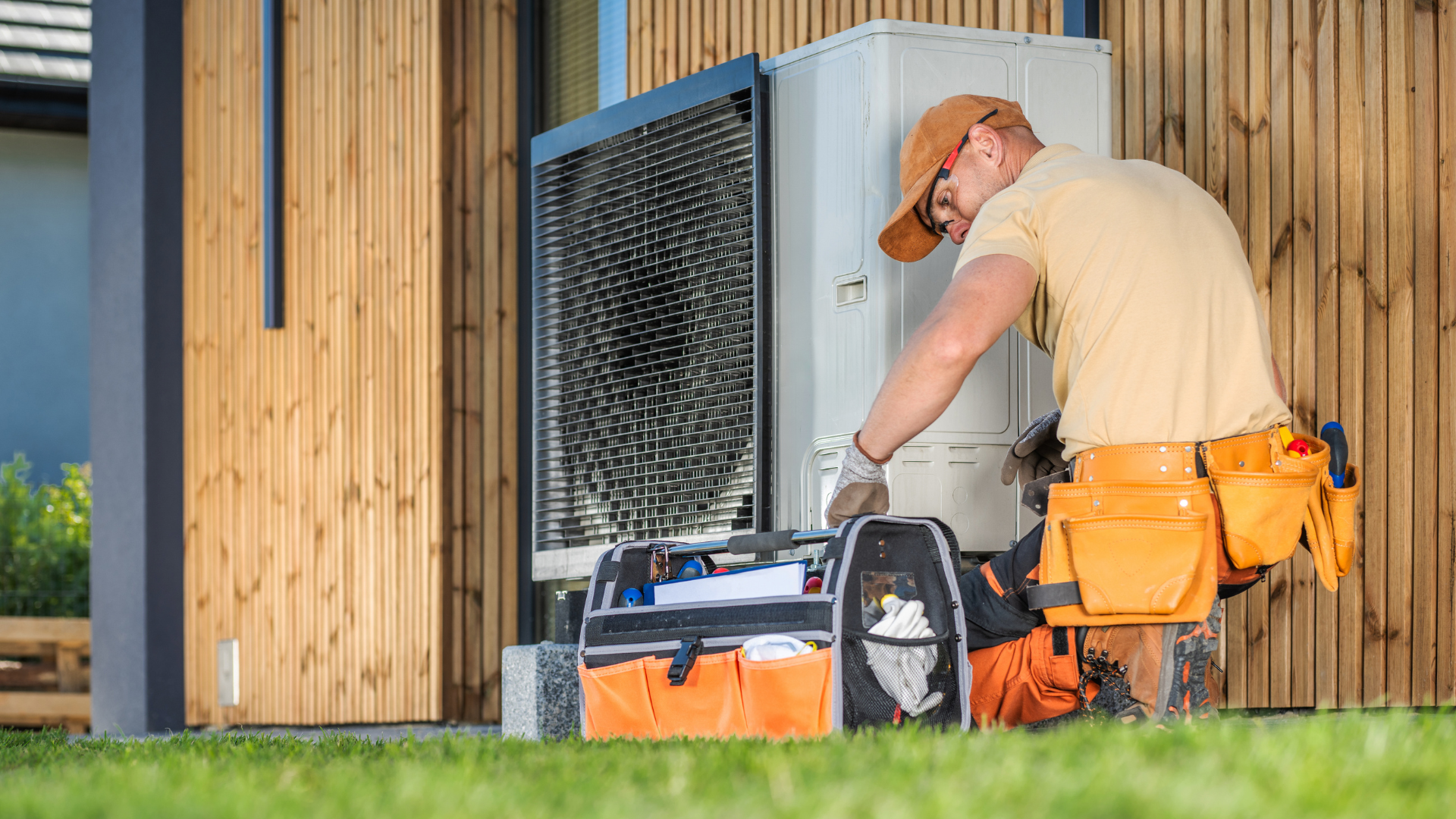
Heat pumps often require more regular servicing because they may run in both warm and cold seasons.
A furnace may only run during the colder months. An air conditioner may only run during the warmer months. A heat pump can do both jobs, which means it may work for much of the year.
That extra use can affect:
- Air filters
- Indoor coils
- Outdoor coils
- Refrigerant lines
- Fan motors
- Electrical components
- Thermostat performance
- Drain lines
- Defrost operation
- Outdoor unit condition
The Department of Energy notes that regular maintenance of filters, coils, fins, and refrigerant lines is important for efficient and effective performance, and that neglected maintenance can reduce performance and increase energy use.
Why New Hampshire Heat Pumps Need Extra Attention
New Hampshire weather can be demanding on heat pumps.
During summer, the system may run often to cool and dehumidify the home. During winter, it may work hard to provide heat during cold weather. Outdoor units also sit exposed to rain, leaves, snow, ice, and debris.
That matters because blocked airflow or a dirty outdoor unit can make the system work harder than it should.
Common local concerns include:
- Snow or ice around the outdoor unit
- Leaves and debris blocking airflow
- Heavy winter heating demand
- Humid summer cooling demand
- Older homes with uneven heating or cooling
- Ductless systems with multiple indoor heads
- Systems that have not been serviced before winter
If your heat pump is part of your main heating setup, it should be treated as a core comfort system, not just a seasonal appliance. Mountain Plumbing also provides heating services in New Hampshire for homes that need dependable support during colder months.
What Does Heat Pump Service Include?
Professional heat pump service usually includes more than a quick visual check.
A technician may inspect, test, clean, or evaluate:
- Air filters
- Indoor coil condition
- Outdoor coil condition
- Refrigerant levels
- Refrigerant lines
- Thermostat operation
- Electrical connections
- Capacitors and relays
- Fan motor and blower operation
- Condensate drain
- Drain pan
- Airflow
- Defrost cycle
- Heating performance
- Cooling performance
- Unusual sounds or vibration
- Outdoor unit clearance
The goal is to make sure the system is clean, safe, efficient, and able to heat or cool properly.
If a heat pump is dirty, low on refrigerant, blocked by debris, or dealing with weak airflow, it may still run. But it may run longer, use more energy, and struggle to keep the home comfortable.
Can You Service a Heat Pump Yourself?
You can do basic heat pump maintenance yourself, but deeper service should be handled by a professional.
Homeowners can usually:
- Check or replace filters
- Keep indoor vents open and clear
- Keep the outdoor unit clear of leaves, snow, and debris
- Check thermostat settings
- Listen for unusual noises
- Watch for ice buildup
- Notice weak airflow
- Look for water around the indoor unit
- Schedule service when performance changes
You should not try to handle:
- Refrigerant testing or charging
- Electrical diagnostics
- Compressor repairs
- Fan motor repairs
- Coil deep cleaning if the system needs professional tools
- Control board issues
- Refrigerant leaks
- Major airflow diagnostics
- Defrost system problems
Heat pumps use electrical components and refrigerant. If the system is not working properly, guessing can make the issue worse.
How to Service a Heat Pump Safely
If you are searching for how to service a heat pump, the safest approach is to separate simple homeowner maintenance from professional service.
Simple homeowner maintenance
You can help your system by:
- Checking the air filter regularly
- Replacing or cleaning the filter when dirty
- Keeping the outdoor unit clear
- Removing leaves, grass, and light debris around the unit
- Keeping snow and ice from blocking airflow
- Making sure furniture does not block indoor vents
- Checking that the thermostat is set correctly
- Calling for service when the system sounds or feels different
These steps help reduce strain on the system.
Professional service
A professional can check the parts you cannot safely inspect yourself, such as refrigerant charge, electrical components, coils, motors, and system controls.
That is especially important if the system:
- Runs constantly
- Struggles to heat or cool
- Makes new noises
- Freezes up
- Short cycles
- Gives off unusual smells
- Causes rising energy bills
- Has not been serviced in a long time
Signs Your Heat Pump Needs Service Soon
Do not wait until the heat pump fully stops working.
Schedule service if you notice:
- Weak airflow
- Uneven heating or cooling
- Higher energy bills
- Strange noises
- Ice buildup
- Short cycling
- System runs constantly
- Warm air during cooling mode
- Cool air during heating mode
- Bad smells
- Water around the indoor unit
- Outdoor unit not turning on
- Thermostat not responding
- Rooms feel less comfortable than usual
A small performance issue can become a larger repair if ignored.
How Often Should a Ductless Heat Pump Be Serviced?
Ductless heat pumps, also called mini-splits, may need regular attention because they often serve specific rooms or zones and may run often throughout the year.
Ductless systems have indoor heads with filters that need routine cleaning. If the filters get clogged, airflow drops and comfort suffers.
A ductless heat pump should generally be serviced at least once a year. If it is used heavily for both heating and cooling, twice-yearly service may be a better schedule.
Mountain Plumbing provides ductless HVAC services for homeowners using ductless systems for heating and cooling.
What Happens If You Skip Heat Pump Service?
Skipping heat pump service may not cause problems right away, but it can affect performance over time.
Possible issues include:
- Reduced airflow
- Higher energy use
- Poor heating or cooling
- More frequent repairs
- Frozen coils
- Short cycling
- Dirty indoor air
- Water drainage issues
- Unusual noises
- Shorter system lifespan
- Unexpected breakdowns
Neglected maintenance can reduce performance and increase energy use. That is why routine service is not just about preventing breakdowns. It also helps the system run more efficiently.
Heat Pump Service Before Heating Season
Before colder weather arrives, your heat pump should be ready to heat reliably.
A heating-season service visit may include checking:
- Heating performance
- Thermostat communication
- Defrost operation
- Outdoor unit condition
- Refrigerant system
- Electrical components
- Airflow
- Coils
- Drainage
- Noise or vibration
- Backup or supplemental heat, if applicable
This is especially important in New Hampshire, where cold weather can put extra pressure on heating systems.
Heat Pump Service Before Cooling Season
Before summer, the heat pump should also be ready for cooling.
A cooling-season service visit may include checking:
- Cooling performance
- Indoor and outdoor coils
- Refrigerant lines
- Condensate drain
- Air filters
- Blower operation
- Outdoor fan
- Thermostat settings
- Electrical components
- Airflow
If your system is struggling to cool, Mountain Plumbing also offers AC repair services for homeowners who need cooling support.
How to Keep Your Heat Pump Working Between Service Visits
You can help your heat pump between professional visits by building simple habits.
Helpful steps include:
- Check filters regularly
- Keep supply and return vents clear
- Keep the outdoor unit free from leaves and debris
- Clear snow around the outdoor unit carefully
- Avoid blocking indoor units with furniture or curtains
- Watch for ice buildup
- Keep the thermostat settings consistent
- Pay attention to new sounds or smells
- Call early when performance changes
These small checks can help reduce unnecessary strain on the system.
When to Call a Professional for Heat Pump Service
Call a professional if:
- Your heat pump has not been serviced in a year
- The system is not heating well
- The system is not cooling well
- The outdoor unit is frozen
- The system keeps turning on and off
- Your energy bills increased unexpectedly
- Airflow feels weak
- The thermostat is not controlling the system properly
- You hear grinding, buzzing, rattling, or clicking
- You smell burning or musty odors
- Water is leaking from the indoor unit
- The system runs constantly but does not reach the set temperature
A professional can inspect the system, identify the cause, and recommend the right next step.
Need Heat Pump Service in New Hampshire?
If your heat pump has not been serviced recently, is not keeping your home comfortable, or is showing warning signs, Mountain Plumbing can help.
Our team provides heat pump service, maintenance, and support for homeowners across New Hampshire. Whether your system needs seasonal service, troubleshooting, or help before the next heating or cooling season, we can review the system and recommend the right next step.
Contact Mountain Plumbing today to schedule heat pump service.
FAQs About Heat Pump Service
How often should a heat pump be serviced?
A heat pump should usually be serviced at least once a year. If it is used for both heating and cooling, twice-yearly service may be helpful: once before cooling season and once before heating season.
How often should heat pumps be serviced in New Hampshire?
In New Hampshire, many heat pumps benefit from annual service at minimum. Systems used year-round or relied on heavily during winter may benefit from service twice a year.
Why do heat pumps require a high amount of servicing?
Heat pumps often require regular servicing because they can run in both heating and cooling seasons. This means filters, coils, fans, refrigerant lines, electrical parts, and outdoor components may experience more wear and buildup.
How do you service a heat pump?
Homeowners can check filters, keep the outdoor unit clear, and monitor performance. Professional service may include inspecting coils, refrigerant, electrical components, thermostat operation, airflow, drainage, and heating or cooling performance.
Can I service my heat pump myself?
You can handle basic maintenance like checking filters and clearing debris around the outdoor unit. Professional service is needed for refrigerant, electrical, compressor, motor, coil, control, or deeper performance issues.
What are signs a heat pump needs service?
Common signs include weak airflow, poor heating or cooling, higher energy bills, strange noises, ice buildup, short cycling, water leaks, bad smells, or a system that runs constantly.
Is heat pump service different from AC service?
There is overlap because heat pumps and air conditioners share cooling components. However, heat pumps also provide heating, so service should check both heating and cooling operation.
Should a ductless heat pump be serviced every year?
Yes. Ductless heat pumps should generally be serviced at least once a year, especially if they are used for both heating and cooling.