Residential plumbing problems are widespread, often beginning with subtle warning sign that are easy to overlook. The most prevalent issues include blocked drains and toilets, running toilets, dripping faucets, diminished water pressure, and water heater failures.
Homeowners may also encounter leaking pipes, sewer line blockages, jammed garbage disposals, and, in colder climates, frozen lines or ruptured pipes. Though some of these problems may seem minor at first, they can cause significant water waste, inflated utility bills, and structural damage if ignored.
Recognizing these early signs enables you to address plumbing issues promptly and prevent expensive repairs.
Leaky Faucets and Fixtures
Leaky faucets are among the most common plumbing issues in any home. Initially, a slow drip may seem insignificant.
However, over time, it can waste considerable water and elevate your utility bill.
Often, the cause is straightforward.
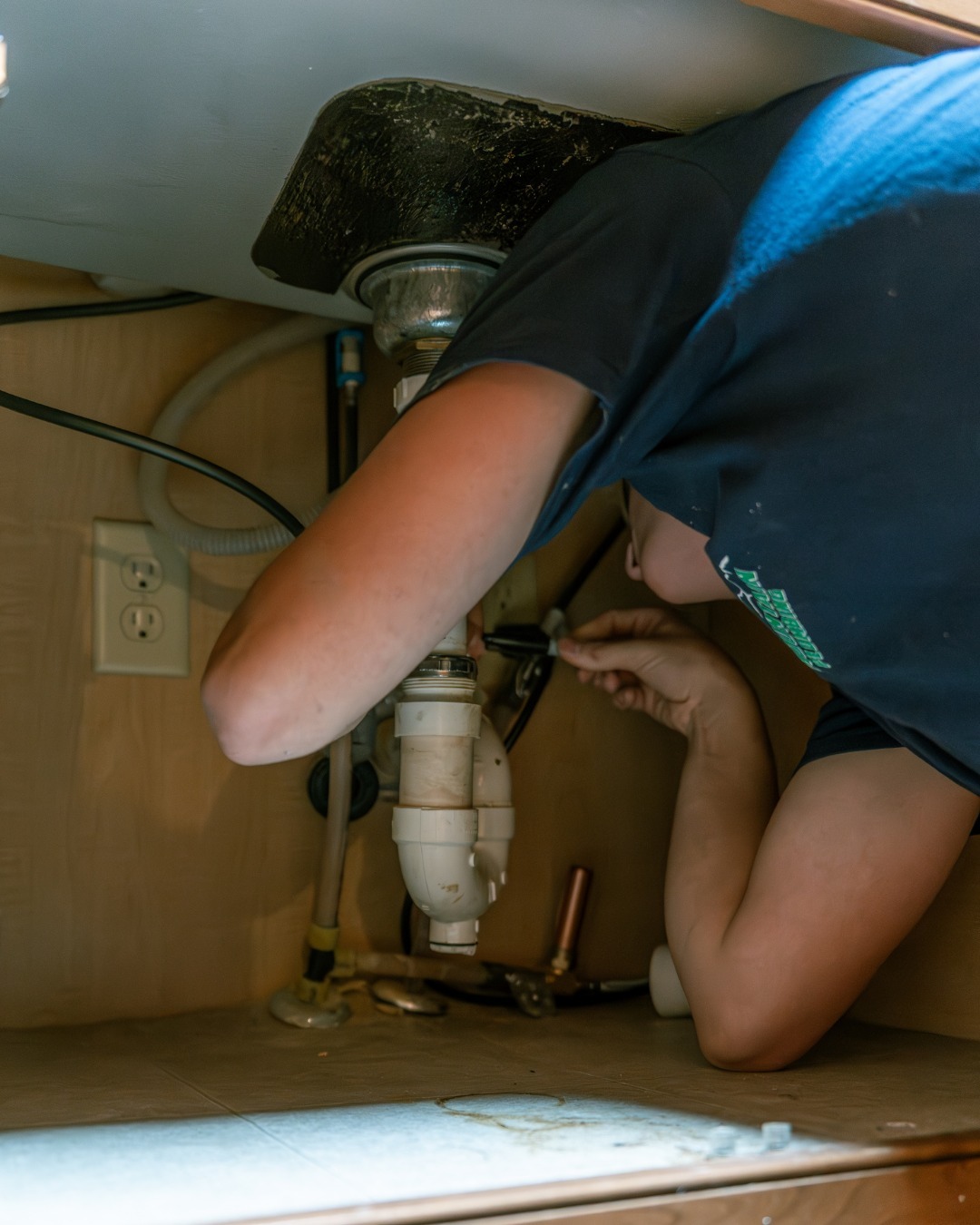
Worn washers, faulty O-rings, loose fittings, or aging cartridges can all trigger leaks. Kitchen faucets, bathroom fixtures, showerheads, and outdoor spigots are typical problem spots.
A leak can also be a sign of something more than normal wear. If the fixture is old, corroded, or poorly installed, the problem may recur even after a quick fix, making water leak detection and, in some cases, fixture replacement important for addressing the root cause.
Clogged Drains in Sinks, Showers, and Tubs
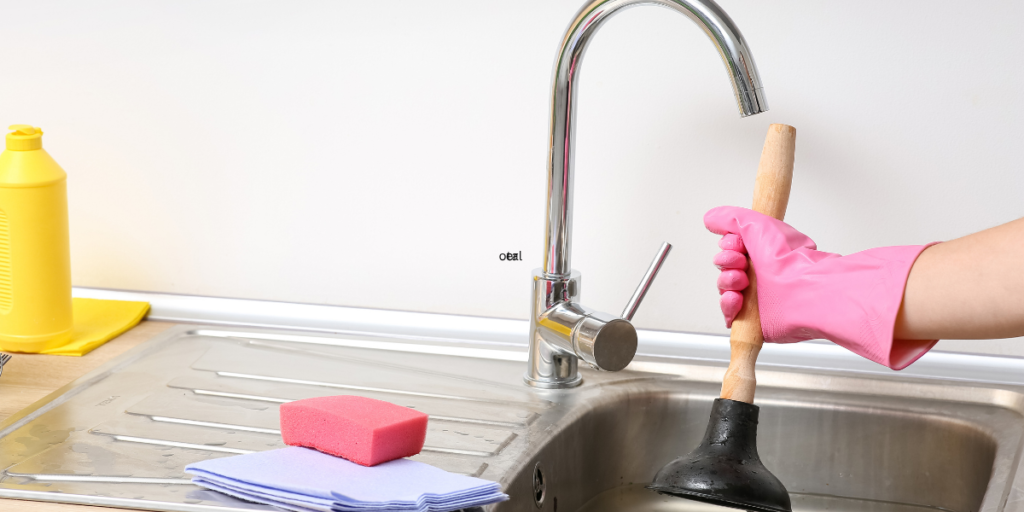
Clogged drains are another issue many homeowners regularly deal with. In bathrooms, the usual culprits are hair buildup, soap residue, and grooming products.
In kitchens, grease, food scraps, and debris often accumulate in pipes over time. At first, the water may drain a little more slowly than usual.
Then the sink starts holding water. The tub takes forever to empty. Before long, you may be dealing with a full blockage.
Running Toilets and Toilet Flushing Problems
A toilet that runs continuously after flushing is more than an annoyance. It can squander a significant amount of water unnoticed.
This problem often happens because of worn internal parts inside the tank. A faulty flapper, a damaged fill valve, or an improperly adjusted float can keep water flowing long after the flush is done.
Sometimes the toilet also struggles to flush properly, which may indicate a partial clog, a low water level in the tank, or a larger drain issue.
Low Water Pressure in the Home
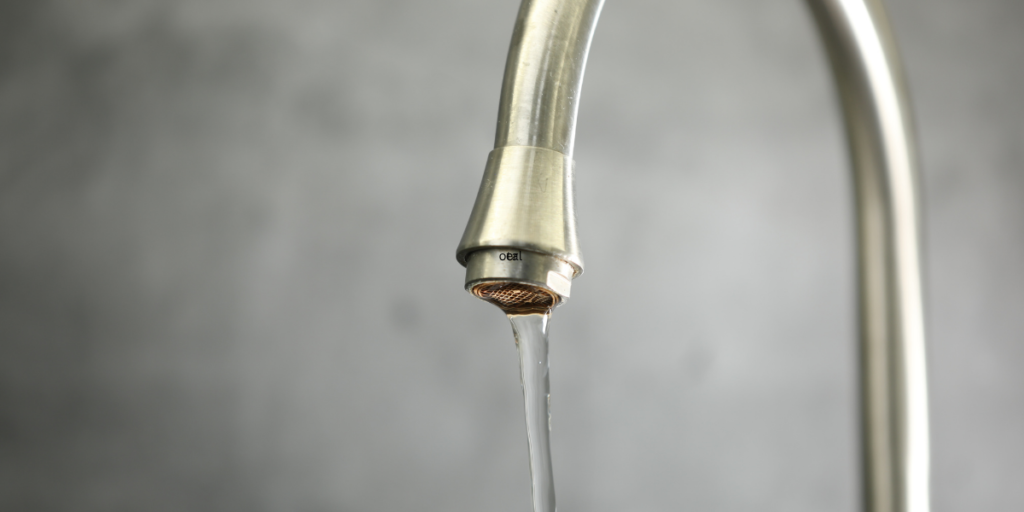
Low water pressure can make everyday tasks aggravating. Showers feel feeble. Faucets need extra time to fill a sink. Appliances requiring water may underperform.
Sometimes, the issue is restricted to a single fixture. This often indicates a clogged aerator filled with mineral deposits or sediment.
When low pressure affects the entire house, the underlying cause is generally more severe.
Burst, Corroded, or Leaking Pipes
Pipe problems are among the most serious residential plumbing issues because they can lead to water damage, mold growth, and costly repairs. A burst pipe is the most obvious example, but many homes also deal with slow leaks or unnoticed pipe corrosion.
Leaks can happen under sinks, behind walls, under floors, or outside the home. In colder areas, freezing temperatures are a common cause of burst pipes.
In older homes, aging materials and corrosion are often the main issues.
Final Thoughts
Most residential plumbing problems originate small. A drip, blockage, or weak flush might not seem urgent.
But minor plumbing issues often escalate into more costly repairs when neglected. Leaky faucets, obstructed drains, running toilets, low water pressure, and deteriorating pipes all signal your plumbing system needs immediate attention.
Detecting these issues early can safeguard your home, reduce water waste, and prevent major disruptions later.